

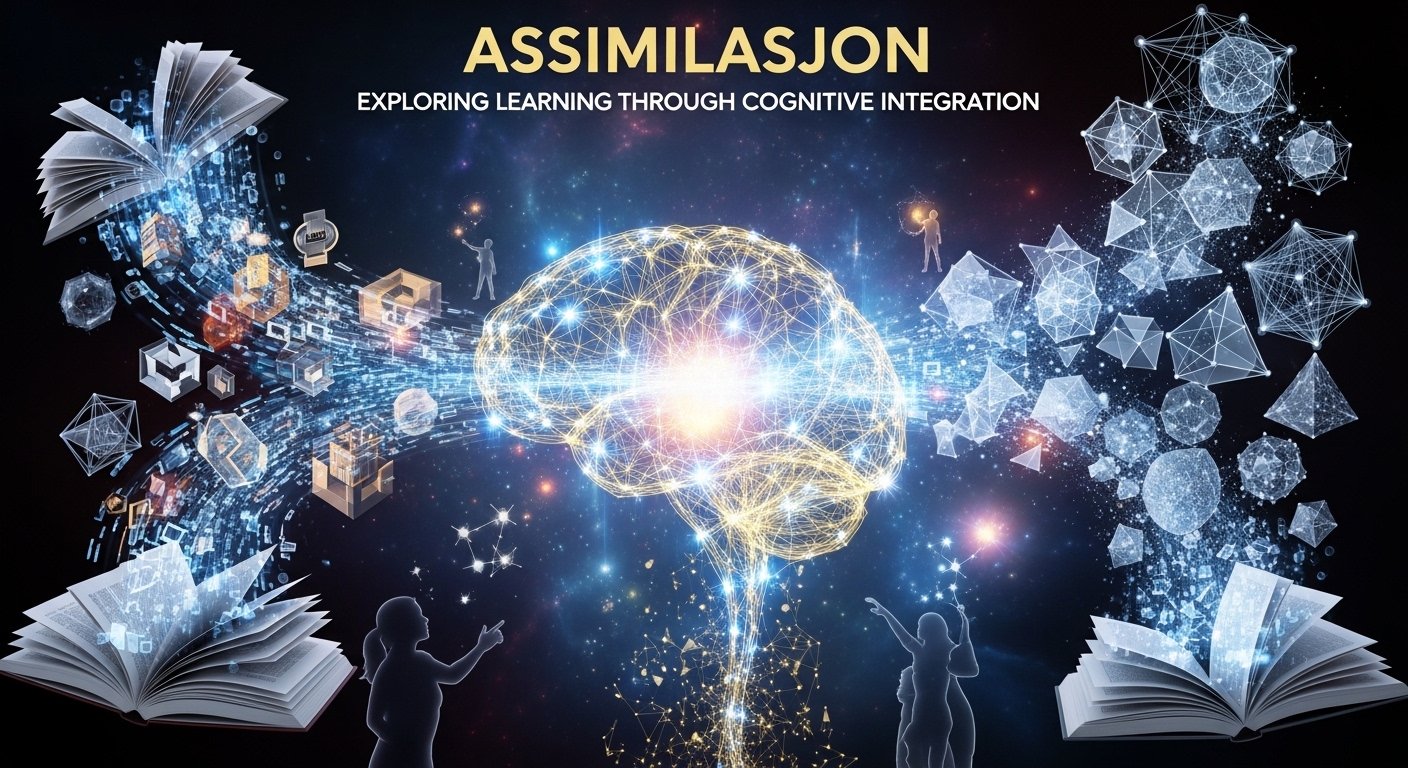
Learning is a fascinating journey, and one of the key players in this adventure is assimilation. But what exactly does it mean? At its core, assimilasjon refers to how we integrate new information into our existing knowledge base. This process shapes not only how we understand concepts but also influences our ability to communicate effectively.
Imagine trying to grasp a complex theory without connecting it to something you already know. It would be like navigating through fog—challenging and frustrating. Assimilation clears that fog, allowing us to see connections clearly. Whether you’re picking up a new language or diving into advanced science topics, understanding assimilation can transform your learning experience.
Get ready as we delve deeper into the cognitive process of assimilasjon and uncover its impact on education across different environments!
The Cognitive Process of Assimilation
Assimilasjon involves a fascinating cognitive process that helps individuals integrate new information into their existing knowledge base. This integration occurs when learners encounter concepts or experiences that resonate with what they already know.
When faced with unfamiliar ideas, the mind works to align these new insights with pre-existing mental frameworks. It’s like adding pieces to a puzzle; each piece enhances the larger picture of understanding.
During this process, connections are formed between old and new information. These links strengthen memory retention and promote deeper comprehension of various subjects.
Active engagement plays a crucial role in assimilation. The more actively one interacts with learning materials—through discussion, practice, or application—the smoother this cognitive integration can be.
This dynamic interplay not only enriches learning but also fosters critical thinking skills essential for lifelong education. Assimilasjon is indeed at the heart of how we grow intellectually over time.
The Importance of Assimilation in Language Learning
Assimilasjon plays a crucial role in mastering any language. It allows learners to connect new vocabulary and grammar rules with their existing knowledge. This integration fosters deeper understanding.
When students encounter unfamiliar words or phrases, assimilating them into their mental framework makes retention easier. For instance, linking new terms to images or concepts they already know can enhance recall during conversations.
Moreover, assimilation encourages natural usage of the language. As learners practice speaking and writing, they employ these newly acquired elements seamlessly within context.
The process also assists in developing cultural comprehension. Language is intertwined with culture; understanding idioms or expressions requires contextual awareness that comes from assimilated learning experiences.
In essence, effective assimilation transforms abstract lessons into practical skills that empower learners to communicate confidently and effectively.
Examples of Assimilation in Different Learning Environments
In a classroom setting, assimilation often occurs when students relate new concepts to prior knowledge. For example, when learning about ecosystems, a student might connect the idea of food chains to their experience with pets and animal behavior.
Online learning platforms also illustrate this process. As learners engage with multimedia resources, they assimilate information by linking videos or articles to existing frameworks in their minds. The interactive nature helps deepen understanding.
In language immersion programs, children frequently use assimilation as they hear phrases and vocabulary tied to familiar situations. This contextual learning reinforces their grasp of the new language effortlessly.
Workshops and hands-on training sessions further highlight cognitive integration. Participants apply theoretical principles learned earlier to real-world scenarios, cementing knowledge through practice while establishing connections that enhance retention.
Challenges and Limitations of Assimilation in Learning
Assimilasjon can present several challenges in the learning process. One major issue is cognitive overload. When learners are bombarded with too much information, it becomes difficult to effectively integrate new knowledge with existing frameworks.
Another limitation lies in individual differences. Each learner comes with a unique background and prior experiences that influence how they assimilate information. This variance makes it hard for one-size-fits-all approaches to succeed in diverse classrooms.
Cultural factors also play a significant role. Students from different backgrounds may struggle to adapt their existing schemas to fit new concepts, leading to potential misunderstandings or misinterpretations of material.
Additionally, motivation significantly impacts assimilation. If learners lack interest or relevance in what they’re studying, they might find it challenging to connect new ideas with previous knowledge effectively. These hurdles can impede effective learning and retention over time.
Strategies for Promoting Effective Assimilation in Education
To promote effective assimilasjon in education, educators can leverage real-world experiences. Incorporating field trips or hands-on projects helps students connect theoretical knowledge with practical applications.
Utilizing collaborative learning environments also enhances assimilation. Group discussions and peer teaching allow learners to share different perspectives, enriching their understanding of new concepts.
Incorporating technology can further support this process. Interactive tools such as educational apps and virtual simulations encourage engagement while providing immediate feedback.
Another strategy is differentiated instruction tailored to individual learning styles. By accommodating various preferences, teachers can foster deeper connections between existing knowledge and new information.
Encouraging reflection through journaling or classroom debates invites students to articulate their thoughts. This practice not only solidifies understanding but also promotes critical thinking skills essential for lifelong learning.
Conclusion
Assimilasjon plays a vital role in shaping how we learn and adapt throughout our lives. It allows us to integrate new information with existing knowledge, creating a more comprehensive understanding of the world around us. This cognitive process is not just limited to academic learning; it extends into everyday experiences, influencing how we communicate and interact with others.
The implications of effective assimilation are far-reaching. Those who master this skill tend to navigate challenges more successfully and embrace lifelong learning opportunities with enthusiasm. As individuals continue to assimilate new ideas and concepts, they foster resilience and adaptability—key traits for thriving in an ever-changing environment.
By prioritizing strategies that promote assimilation within educational contexts, educators can equip students with tools that extend beyond the classroom walls. Emphasizing connections between new knowledge and prior experiences can spark curiosity and encourage exploration in various domains.
Understanding the impact of assimilasjon on learning enables us all to cultivate environments where continuous growth is possible. With each step toward mastery of this cognitive integration, we enhance our capacity for innovation, creativity, and collaboration across disciplines.