

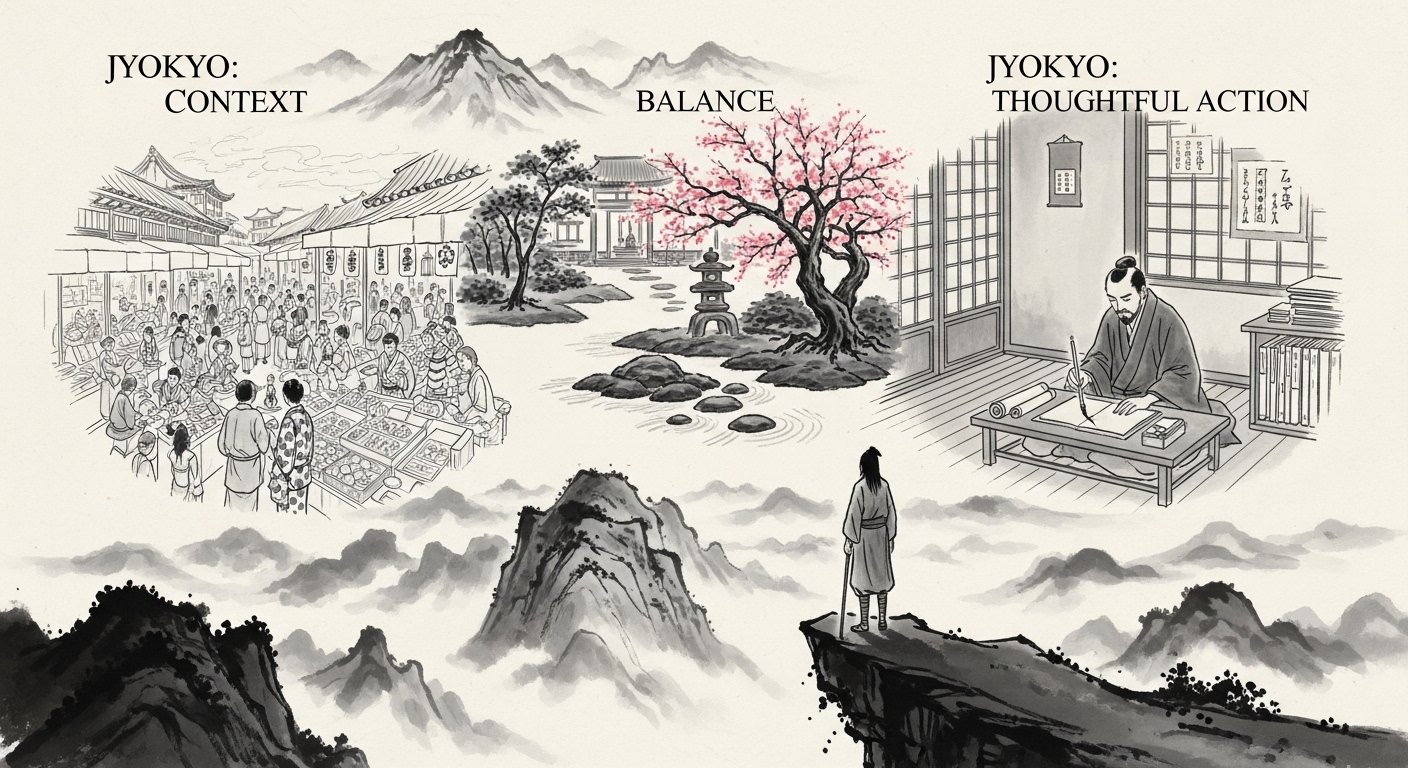
In a world that often feels chaotic and overwhelming, the Japanese concept of Jyokyo emerges as a beacon of clarity. This philosophy emphasizes the importance of understanding context, seeking balance, and making thoughtful decisions. But what exactly does Jyokyo mean? How can it shape our daily lives in meaningful ways? As we dive into this intriguing framework, prepare to uncover insights that not only enhance your awareness but also inspire your personal growth journey. Whether you’re navigating relationships or tackling professional challenges, embracing Jyokyo might just be the guiding principle you’ve been searching for. Let’s explore its depths together!
Defining Jyokyo and its Origins
Jyokyo is a Japanese term that embodies the essence of context. It translates roughly to “the situation” or “circumstance,” emphasizing the need to consider one’s surroundings and dynamics before taking action.
The origins of Jyokyo can be traced back to traditional Japanese philosophy, where harmony with nature and society plays a crucial role. This concept encourages individuals to observe their environment keenly, recognizing how various factors influence interactions and decisions.
Incorporating elements from Buddhism and Confucianism, Jyokyo teaches us that every moment is unique. By understanding our current “situation,” we are better equipped to respond thoughtfully rather than react impulsively.
Embracing Jyokyo means cultivating a mindset that values awareness over haste. It invites us into a deeper contemplation of how our actions resonate within the broader tapestry of life.
The Importance of Context in Jyokyo
Context is the heartbeat of Jyokyo. Without it, actions can lose their meaning and intentions can be misinterpreted. Every situation carries its unique layers that shape our responses.
Understanding context allows us to navigate complex interactions with grace and awareness. It involves recognizing cultural influences, emotional nuances, and environmental factors that play a role in any scenario.
When we grasp these elements, our actions become more thoughtful. Instead of reacting impulsively, we start responding with intention. This leads to deeper connections and improved communication.
Jyokyo teaches us that what may seem appropriate in one context might not fit another at all. Hence, cultivating contextual awareness fosters empathy and adaptability in our daily lives—crucial traits for personal growth and harmonious relationships.
Striking a Balance in Jyokyo
Striking a balance in Jyokyo is essential for harmonious living. It encourages individuals to weigh their actions against the context of each situation. This dynamic approach means that rigidity has no place here.
Instead, flexibility and adaptability reign supreme. When faced with challenges, one must assess their environment and respond accordingly. A rigid stance can often lead to chaos or misunderstanding.
Finding equilibrium requires self-awareness and mindfulness. By tuning into your surroundings, you can better gauge when to push forward or step back. The dance between action and restraint becomes apparent as you navigate life’s complexities.
This delicate balancing act nurtures emotional intelligence too. You learn not just from success but from moments of hesitation as well. Embracing both sides fosters growth while enhancing relationships with others around you.
Using Thoughtful Action to Implement Jyokyo
Thoughtful action is at the heart of Jyokyo. It’s about being aware and intentional in every step you take. When you embrace this philosophy, your actions align with your values.
To implement Jyokyo effectively, begin by reflecting on your motivations. Ask yourself why you are doing what you’re doing. This introspection creates clarity.
Next, consider the impact of your actions on others and the environment around you. Thoughtful action isn’t just self-centered; it acknowledges interconnectedness.
Practice mindfulness to remain present during interactions and decisions. This awareness allows for better responses rather than knee-jerk reactions.
Cultivate habits that promote thoughtful behavior—set aside time each day for contemplation or journaling to deepen understanding of your choices. By weaving these practices into daily life, you’ll find that Jyokyo becomes a natural part of who you are.
Practical Applications of Jyokyo in Daily Life
Incorporating Jyokyo into daily life can transform how we approach challenges. Start by observing your surroundings. Recognizing context helps you make informed decisions.
Consider a simple interaction with a friend. Instead of reacting impulsively, take a moment to gauge their feelings and the situation’s dynamics. This mindful response fosters deeper connections.
At work, apply Jyokyo when dealing with conflicts or projects. Assess the environment before proposing solutions. A balanced perspective leads to better collaboration and innovation.
Even in personal health, understanding your body’s signals is crucial. Listen to what it needs—be it rest or activity—and respond accordingly for optimal well-being.
Integrating Jyokyo encourages thoughtful choices that resonate with who you are and what you value most in every moment.
Criticisms and Misinterpretations of Jyokyo
Critics of Jyokyo often argue that its principles can be too vague. They feel the emphasis on context can lead to indecision or inaction. It may seem like an excuse for procrastination when clarity is needed.
Some misunderstand Jyokyo as a way to justify selfish actions. They claim it promotes individualism at the expense of community values. This misinterpretation neglects the core idea of thoughtful action benefiting everyone involved.
Additionally, there are concerns about cultural appropriation. Some believe that adopting concepts like Jyokyo without understanding their roots is disrespectful. This raises questions about authenticity and sincerity in practice.
Skeptics point out that relying heavily on context might create moral ambiguity. The challenge lies in balancing personal beliefs with ethical considerations while navigating complex situations.
Embracing the Philosophy of Jyokyo for Personal Growth
Embracing the philosophy of Jyokyo can lead to significant personal growth. By understanding the importance of context, you can navigate complex situations with greater clarity and insight. This awareness allows for a more thoughtful approach to decision-making.
Striking a balance between various aspects of life is crucial in achieving harmony within oneself. Jyokyo teaches that moderation leads to better outcomes, whether in relationships, work-life balance, or emotional well-being.
The concept encourages thoughtful action rather than impulsive reactions. This shift in mindset fosters mindfulness and intentionality in our daily lives. It empowers individuals to make choices aligned with their values and long-term goals.
Practical applications of Jyokyo extend beyond personal development; they influence how we engage with others and our environment. Whether it’s through effective communication or conflict resolution, applying these principles enhances social interactions.
While there may be criticisms surrounding its interpretation, approaching Jyokyo as a guiding framework rather than rigid doctrine opens up a pathway for deeper understanding.
Embracing Jyokyo enriches your journey toward self-awareness and fulfillment. As you incorporate its principles into your life, you’ll find yourself navigating challenges with grace while fostering connections grounded in empathy and respect.