

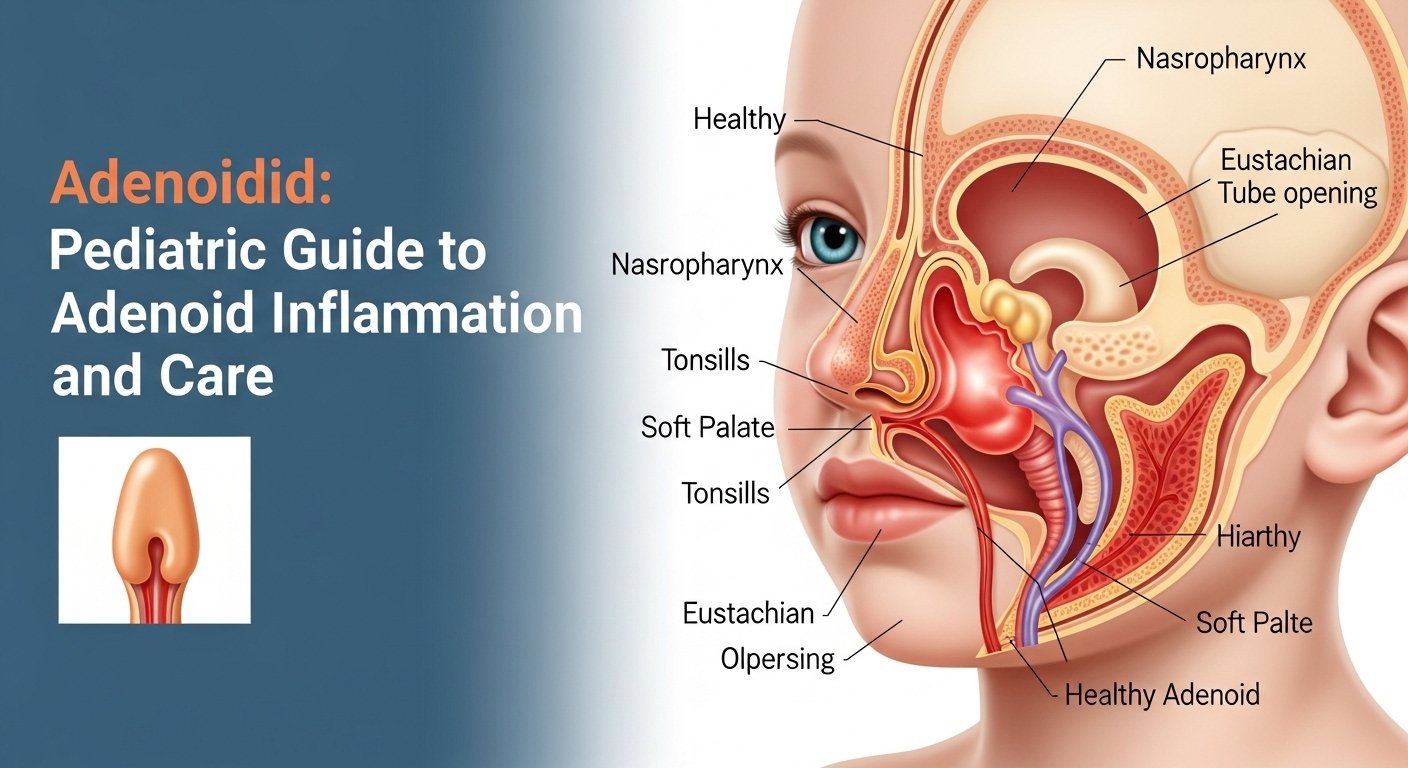
Adenoidid might sound like a complex medical term, but it’s something many parents encounter in their children’s health journeys. These small masses of lymphatic tissue located at the back of the nasal cavity play a crucial role in immune function, especially during early childhood. However, when they become inflamed—known as adenoiditis—it can lead to various health issues that affect breathing, sleeping, and overall well-being.
As a parent or caregiver, understanding what adenoid inflammation entails is vital for ensuring your little one stays healthy and happy. This guide will walk you through everything you need to know about adenoidid: from recognizing symptoms and seeking proper diagnosis to exploring treatment options and recovery tips. Whether you’re navigating this condition for the first time or looking for ways to prevent recurrence, we’ve got you covered!
Understanding Adenoid Inflammation
Adenoid inflammation occurs when the adenoids become swollen or irritated. These tissues are part of the immune system, helping to trap germs that enter through the nose and mouth.
When adenoids become inflamed, they can obstruct airflow and cause various issues like snoring or difficulty breathing at night. This condition is often a response to infections, allergies, or irritants in the environment.
Children are particularly susceptible due to their developing immune systems and frequent exposure to pathogens. In many cases, this inflammation leads to discomfort and can affect sleep quality.
Recognizing signs early on allows for prompt intervention. Understanding how adenoiditis affects your child’s health is crucial for appropriate care and management strategies moving forward.
Causes and Symptoms of Adenoiditis
Adenoiditis, or inflammation of the adenoids, can occur due to various factors. Viral infections are often the primary culprits. Conditions like colds or the flu frequently trigger this issue in children.
Bacterial infections can also play a significant role. When children have recurrent throat infections, their adenoids may become swollen and irritated.
Symptoms typically manifest as nasal congestion. Children might breathe through their mouths more than usual, leading to disrupted sleep patterns.
You may notice persistent snoring or even sleep apnea episodes during nighttime rest. Other signs include a sore throat and difficulty swallowing.
Fever is another symptom that parents should monitor closely. If your child seems unusually fatigued alongside these indicators, it could signal an underlying problem with their adenoids that requires attention from a healthcare professional.
Diagnosing Adenoiditis in Children
Diagnosing adenoiditis in children often starts with a thorough medical history. Parents should provide details about symptoms, illness frequency, and any related health issues.
A pediatrician will perform a physical examination, focusing on the throat and nasal passages. They may use a tongue depressor or flashlight to check for swelling.
In some cases, additional tests like X-rays or endoscopy might be necessary. These help visualize the size of the adenoids and assess their impact on breathing.
Parents should prepare to discuss all observed symptoms, including snoring or difficulty swallowing. Gathering this information helps guide healthcare providers toward an accurate diagnosis.
Listening closely to your child’s description of discomfort can also be beneficial during consultations. The more informed you are, the better support you can provide in navigating treatment options.
Treatment Options – Medications, Surgery, and Home Remedies
When it comes to treating adenoid inflammation, various options are available. Medications often play a key role. Doctors may prescribe antibiotics if there’s an infection involved. Over-the-counter pain relievers can also help ease discomfort and reduce fever.
For more severe cases, surgery might be recommended. Adenoidectomy is a common procedure where the enlarged adenoids are removed. This option is typically considered when other treatments have failed or if there are significant breathing problems.
Home remedies can provide additional comfort. Saline nasal sprays may help clear congestion, while steam inhalation can soothe irritated airways. Ensuring your child stays hydrated supports overall recovery.
Each treatment plan should be tailored to your child’s needs, considering their specific symptoms and health history. Always consult with a healthcare professional to determine the best approach for managing adenoiditis effectively.
Tips for Managing Your Child’s Recovery
Managing your child’s recovery from adenoiditis can be a smooth journey with the right approach. Start by ensuring they get plenty of rest. Sleep is essential for healing and helps boost their immune system.
Hydration plays a key role too. Encourage your child to drink water, herbal teas, or broths. Keeping them well-hydrated aids in soothing inflammation.
Monitor their diet closely during this time. Soft foods are often easier to swallow and digest, reducing discomfort while eating. Think mashed potatoes, yogurt, or smoothies.
Create a calm environment at home to help alleviate stress. Quiet activities like reading together or watching movies can distract them from any lingering pain or discomfort.
Stay in close communication with healthcare providers if symptoms persist or worsen. This ensures that you’re taking all necessary steps for your child’s health and comfort during recovery.
Preventing Recurrence of Adenoiditis
Preventing the recurrence of adenoiditis requires a proactive approach. Regular handwashing can significantly reduce the spread of infections that often lead to inflammation.
Encourage your children to stay hydrated. Drinking plenty of fluids helps maintain overall health and supports their immune system. A well-hydrated body is better equipped to fight off potential infections.
Allergies can also play a role in causing adenoid issues. Identifying and managing allergies, whether through medication or environmental changes, can minimize flare-ups.
Creating a smoke-free environment is crucial as secondhand smoke may irritate the airways and increase susceptibility to respiratory infections.
Ensure routine check-ups with healthcare professionals. They can monitor your child’s health and provide timely interventions if needed. Keeping an open line of communication about any concerning symptoms will empower you in managing their well-being effectively.
Conclusion
Adenoid inflammation, often referred to as adenoiditis, can be a challenging experience for both children and their parents. Understanding the condition is key to managing it effectively. By recognizing the causes and symptoms early on, caregivers can seek timely medical intervention.
Diagnosing adenoiditis typically involves thorough examinations by healthcare professionals who may recommend imaging tests if necessary. Treatment options are diverse, ranging from medications that reduce inflammation to surgical removal in more severe cases. Home remedies also offer supportive care that many families find helpful during recovery.
As your child navigates this process, providing comfort and reassurance will go a long way toward easing anxiety. It’s important to monitor their progress closely and maintain open communication with healthcare providers regarding any concerns or changes in symptoms.
Preventing recurrence of adenoiditis involves adopting healthy habits such as good hygiene practices and addressing allergies promptly. Staying informed about potential triggers helps minimize future episodes.
Understanding all aspects of adenoiditis empowers parents to provide optimal care for their children while ensuring they remain supported throughout their healing journey.