

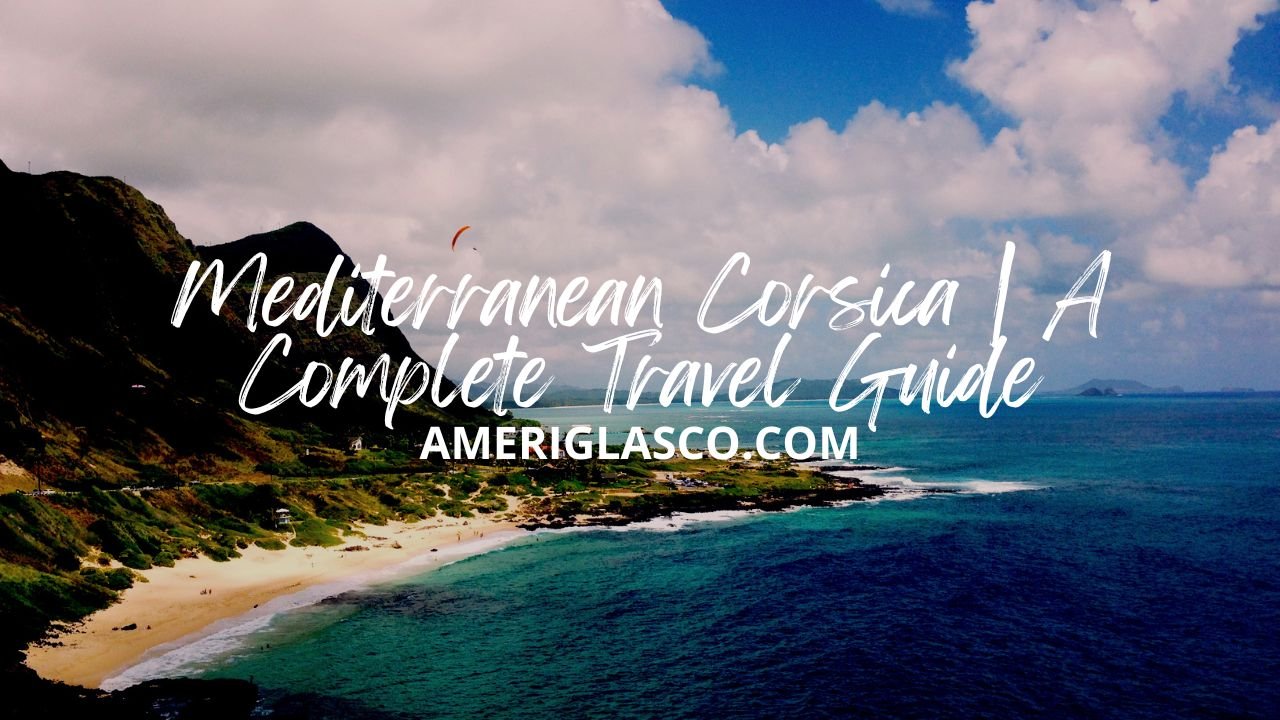
Corsica has more than 1,000 kilometers of coastline, over 200 beaches, and mountain peaks that rise above 2,700 meters. That is a lot of variety packed into one island. And yet, many travelers still skip it in favor of more famous Mediterranean destinations like Sardinia or the Greek islands. That is a mistake worth correcting.
This island sits between France and Italy in the Mediterranean Sea. It belongs to France, but it carries a distinct culture, language, and spirit that feels entirely its own. Corsica is the fourth largest island in the Mediterranean, and it offers something rare: wild nature, historic towns, and real local life all in one place.
This guide covers everything you need to know before you go. You will learn about the best time to visit, how to get there, where to stay, what to eat, and which beaches and trails are worth your time. No fluff. No hype. Just honest, useful information.
What Makes Corsica Different From Other Mediterranean Islands
Most Mediterranean islands get crowded in summer. Many of them have lost their local feel to mass tourism. Corsica has managed to hold onto its identity more than most. The locals are proud of their culture, and you can feel that the moment you arrive.
The island is nicknamed the “Island of Beauty” in French, and that name is earned. You can go from a sandy beach to a mountain trail within an hour. Snow stays on some peaks well into spring, while the coast stays warm and sunny. That kind of contrast is hard to find anywhere else in the Mediterranean.
Corsica also has a strong food culture tied to the land. Chestnuts, wild boar, local cheese, and cured meats are staples here. Many of these foods come from producers who have been making them the same way for generations. That story is part of what makes eating here so satisfying.
Best Time to Visit Corsica
The best time to visit Corsica is from late May through June, or in September and early October. These months give you warm weather without the peak summer crowds. The sea is warm enough to swim, and the prices are lower than in July and August.
July and August are the busiest months. The beaches get packed, and roads can be slow. Hotel prices spike during this time. If you must go in summer, book everything months in advance.
Spring is beautiful on the island. Wildflowers cover the hillsides, and the air smells like maquis, which is the fragrant mix of wild herbs and shrubs that covers much of Corsica. Hikers often prefer spring because the heat is manageable and the trails are not too crowded.
Winter brings quiet and cooler temperatures. Many coastal restaurants and hotels close from November to March. But if you want to explore the inland villages without tourists, winter can be a peaceful time to visit.
How to Get to Corsica
Getting to Corsica is straightforward. You can fly in or take a ferry. Both options are well established and reliable.
By Air: The main airports are in Ajaccio, Bastia, Figari, and Calvi. Several airlines run direct flights from major European cities, especially from France, Italy, and the UK. During summer, budget airlines add more routes, which keeps prices competitive. Flying is the fastest way to arrive, with most flights from mainland France taking about one hour.
By Ferry: Ferries run from Nice, Marseille, Toulon, Genoa, Livorno, and Savona. The crossing takes between five and twelve hours depending on your departure point. Night ferries are popular because you travel while you sleep and wake up on the island. Ferry companies like Corsica Ferries, La Méridionale, and Moby Lines operate regular routes.
Taking a ferry is a great option if you want to bring a car. Having a car on the island makes getting around much easier, especially if you plan to explore the interior or visit smaller villages.
Getting Around Corsica
Corsica is not a place where public transport will take you everywhere you want to go. Buses and trains exist, but they are limited. The train network, called the Trinighellu by locals, is charming and scenic, but it only connects a few main towns. It runs between Ajaccio and Bastia, with a branch line to Calvi.
Renting a car is the best way to see the island. Roads wind through mountains and along the coast, and the drives themselves are part of the experience. Be prepared for narrow roads and sharp turns in the mountains. Take your time and enjoy the views.
Scooters and motorcycles are also popular, especially along the coast. Some travelers rent bikes for shorter routes, though the hilly terrain makes cycling challenging in places. Taxis exist in bigger towns but are expensive for long distances.
Where to Stay in Corsica
Corsica has options for every budget. From simple gîtes in the mountains to luxury hotels on the coast, there is something for everyone.
Ajaccio is the capital and a good base if you want city amenities. It has a good range of hotels, restaurants, and access to beaches. This is also where you can visit the birthplace of Napoleon Bonaparte, who was born here in 1769.
Bonifacio sits on dramatic white cliffs at the southern tip of the island. It is one of the most photographed spots in all of Corsica. Staying here puts you close to some of the best beaches on the island, including the famous Santa Giulia and Palombaggia. Keep in mind that Bonifacio gets very busy in summer.
Calvi in the northwest is known for its beautiful bay, a Genoese citadel, and a long sandy beach. It has a lively town center and a younger crowd. It is also a starting point for some great coastal hikes.
Porto Vecchio in the south is a popular resort town with excellent beaches nearby. It has good restaurants, a marina, and easy access to the surrounding countryside. This area tends to attract higher end travelers, but there are still affordable options if you look around.
Mountain villages like Corte, Evisa, and Zonza offer a completely different experience. These places are quieter, cheaper, and closer to the hiking trails and natural parks. Staying inland gives you a better sense of the real Corsica that existed long before tourists arrived.
The Best Beaches in Corsica
Corsica has beaches that rival any in the Mediterranean. The water is clean, clear, and often a deep shade of turquoise. Here are some of the most impressive ones worth visiting.
Palombaggia near Porto Vecchio is often named the most beautiful beach in France. The sand is fine and pinkish, the water is shallow and bright blue, and the rocks frame the scene perfectly. It gets crowded in summer, so arrive early.
Santa Giulia is nearby and slightly more sheltered. It has a long lagoon with calm, warm water. Families love it because the water is so safe for kids. There are beach clubs, paddleboard rentals, and restaurants along the shore.
Rondinara is shaped like a bowl with a near perfect circle of white sand and calm water. It is one of the prettiest beaches in the south. There is a small fee to park, but the beach itself is stunning.
Saleccia in the north is harder to reach, which keeps it less crowded. You can get there by boat from Saint Florent or hike in. The effort is worth it. The beach stretches for more than a kilometer with wild dunes and crystal clear water.
Niolon and Bussaglia are smaller, less famous beaches that locals still use. These spots give you a quieter experience without fighting for space on the sand.
Hiking and Outdoor Activities in Corsica
Corsica is one of the best hiking destinations in all of Europe. The island has an extensive network of trails through forests, gorges, and mountains. The most famous of these is the GR20.
The GR20 is a long distance trail that runs from Calenzana in the north to Conca in the south. It covers about 180 kilometers and is considered one of the toughest long distance hikes in Europe. Most hikers complete it in 15 days. The terrain ranges from rocky ridges to forested valleys. You need good fitness and proper gear before attempting it.
If the full GR20 sounds too intense, there are shorter versions and easier alternatives nearby. The Mare e Monti trail connects the coast to the mountains and passes through traditional villages. It is well marked and more accessible for casual hikers.
The Gorges de Spelunca near Porto are a dramatic canyon you can hike through in a few hours. The Restonica Valley near Corte leads to two mountain lakes that sit above 1,600 meters. These are popular day hikes with beautiful scenery.
Water sports are also big in Corsica. Kayaking, snorkeling, and sailing are all well set up along the coast. The Réserve Naturelle de Scandola is a UNESCO listed marine reserve on the west coast. You can only access it by boat, and the red rock formations above the water are unlike anything else on the island.
Canyoning is popular in the interior, particularly in the Tavignano and Richiusa canyons. Many operators in towns like Corte offer guided trips with all the equipment included.
Corsican Food: What to Eat and Where
Corsican food is honest, hearty, and deeply tied to the island’s landscape. The cuisine draws from both French and Italian traditions, but it has its own identity that stands apart from both.
Charcuterie is central to local food culture. Corsican cured meats include lonzu (cured pork loin), coppa (cured neck), and figatellu (a liver sausage often grilled over a fire). These are made from semi wild pigs that roam the maquis and eat chestnuts and acorns. The flavor is deeper and more complex than typical commercial charcuterie.
Chestnuts play a big role in Corsican cooking. Chestnut flour is used to make pulenta, a kind of polenta that is a local staple. You can also find chestnut beer, chestnut cake, and chestnut cream at markets and restaurants across the island.
Brocciu is a fresh cheese made from sheep or goat whey. It appears in both savory and sweet dishes. One of the most common uses is in fiadone, a cheesecake made with brocciu, lemon zest, and eggs. It is light, slightly tangy, and very good.
For seafood, the west coast ports like Ajaccio and Propriano have excellent fish restaurants. Grilled sea bass, mussels from the marine farms around Diane lagoon, and local oysters are all worth trying. The seafood is fresh and simply prepared, which is usually the best approach.
Local wines from Corsica are underrated. Patrimonio in the north and Figari in the south are the main wine regions. The Nielluccio grape produces red wines that are bold and earthy. Vermentinu is the main white grape and makes wines that are crisp and aromatic. Try to drink local wine at local restaurants for the full experience.
Key Towns and Villages to Visit
| Town | Region | Why Visit |
|---|---|---|
| Ajaccio | West Coast | Capital city, Napoleon’s birthplace, markets, beaches |
| Bonifacio | South | Dramatic cliffs, citadel, best beaches nearby |
| Bastia | North | Port city, old town, ferry hub, local life |
| Calvi | Northwest | Bay, citadel, long beach, relaxed vibe |
| Corte | Interior | University town, Gorges de la Restonica, mountain culture |
| Porto Vecchio | South | Resort town, beaches, restaurants, marina |
| Saint Florent | North | Wine region, access to Saleccia beach, sailing |
Each of these towns has a different personality. Ajaccio feels like a proper French city with markets, museums, and boulevards. Bastia is grittier and more working class, but that is part of its charm. The old port area in Bastia is one of the most photogenic spots on the island.
Corte is the only major town in the interior and feels completely different from the coastal resorts. It has a citadel perched dramatically on a rock above the town, and it serves as the cultural heart of Corsican identity. Many independence minded locals consider Corte the true capital of the island.
Corsican Culture and History
Corsica has a long and complicated history. The island has been ruled by Genoa, Aragon, France, and briefly had its own short lived republic in the 18th century. That republic, led by Pasquale Paoli, created one of the first modern democratic constitutions in the world. Corsicans are proud of this history.
The island became officially French in 1768, just one year before Napoleon was born in Ajaccio. Napoleon is probably the most famous Corsican in history, though his relationship with the island is complicated. He spent little of his adult life here, but his birthplace and many museums on the island are dedicated to his memory.
The Corsican language, called Corsu, is still spoken by many people on the island. It is closer to Italian than French and has its own dialects. Road signs are usually in both French and Corsican. Locals take pride in the language, and learning a few words in Corsican will earn you genuine warmth from the people you meet.
Polyphonic singing is one of the most distinctive art forms in Corsica. These are traditional songs sung in multiple voices without instruments. You can sometimes hear them performed live in churches, at festivals, or in restaurants in smaller villages. It is one of those things that is hard to describe but easy to feel.
Practical Tips Before You Go
Planning well makes a real difference when visiting Corsica. Here are some key things to keep in mind before you arrive.
Booking ahead matters in summer. Hotels, rental cars, and ferries fill up fast in July and August. Book at least three to four months in advance if you plan to visit during peak season. Waiting until last minute will cost you more and leave you with fewer options.
Cash is still useful. Many smaller restaurants, markets, and mountain refuges do not accept cards. Bring some euros in cash, especially if you plan to eat at local spots or shop at village markets.
Respect the environment. Corsica takes conservation seriously. Campfires are banned in most areas during summer because of wildfire risk. Driving off road is illegal in many protected areas. Stay on marked trails, take your rubbish with you, and treat the natural spaces with care.
Learn basic French. English is spoken in tourist areas, but in smaller towns and villages, French is essential. Most Corsicans also speak some Italian. A few words in French go a long way in showing respect and often leads to much better service and friendlier interactions.
Drive carefully on mountain roads. The interior roads can be very narrow. Passing oncoming traffic sometimes requires one car to reverse to a wider spot. This is normal. Take it slow, be patient, and enjoy the scenery instead of rushing.
How Much Does It Cost to Visit Corsica?
Corsica is not the cheapest Mediterranean destination, but it is not the most expensive either. Your spending will depend heavily on when you go and how you travel.
During peak summer months, a mid range hotel in a coastal town might cost 150 to 250 euros per night. In spring or autumn, you can find similar rooms for 80 to 130 euros. Gîtes and holiday rentals are often better value for families or groups, especially if you book for a week or more.
Eating out at a sit down restaurant costs around 15 to 30 euros per person for a main course and a glass of wine. Markets and local bakeries are much cheaper and a great way to eat well without spending a lot. A good charcuterie board from a market stall can be a very satisfying and affordable lunch.
Rental cars in summer average around 60 to 100 euros per day, including insurance. Booking in advance from a major company usually gets you a better rate than waiting until you land. Petrol prices on the island are similar to mainland France.
Ferry tickets vary widely. A basic passenger ticket from Nice to Bastia might cost 40 to 70 euros one way. Adding a car and a cabin increases the price significantly. Night ferry cabins are an extra cost but worth it for comfort on longer crossings.
Budget travelers can get by on around 80 to 100 euros per day if they stay in gîtes, cook some of their own meals, and avoid peak season. A comfortable trip with restaurant meals and a decent hotel will cost around 150 to 200 euros per person per day in summer.
Hidden Gems in Corsica That Most Tourists Miss
Most visitors stick to the south and the main coastal towns. That means large parts of the island are quietly waiting for travelers willing to go a little further off the beaten path.
The Castagniccia is a region in the northeast covered in ancient chestnut forests. It has tiny villages, old Baroque churches, and a way of life that has not changed much in decades. Very few tourists come here, which makes it feel like a genuine discovery. The driving roads through the chestnut trees are some of the most beautiful on the island.
Cap Corse is a narrow peninsula in the far north. It has dramatic coastal scenery, small fishing villages, and a lighthouse at the very tip called the Phare de la Giraglia. The west side of the peninsula is wilder and less visited than the east. This is a perfect area for a slow drive with stops at tiny ports and old Genoese towers.
Nonza is a village on the west side of Cap Corse that clings to a cliff above a dark pebble beach. It is one of the most dramatic looking villages in France and one of the least visited. The view from the old tower above the village is extraordinary.
The Niolo Valley in the interior is surrounded by some of the highest peaks in Corsica. The village of Calacuccia sits beside a reservoir with mountain reflections in the water. This area is remote, quiet, and gives you a sense of how rugged and self sufficient traditional Corsican life has always been.
Safety and Health in Corsica
Corsica is a safe destination for most travelers. Petty theft can happen in busy tourist areas, especially at beaches. Keep your valuables out of sight in your car and do not leave bags unattended on the sand.
The sun in Corsica is strong, especially in summer. Use high factor sunscreen, drink plenty of water, and avoid the hottest part of the day if you are hiking. Heat exhaustion is a real risk on mountain trails in July and August.
Medical care is available in main towns. Ajaccio and Bastia have full hospitals. Smaller towns have pharmacies and local clinics. European Health Insurance Cards work for EU citizens. Travelers from outside the EU should have good travel insurance that covers medical costs.
Wildfires are a serious concern in summer. Follow all local fire prevention rules. Do not park on dry grass, and check local alerts if you are hiking in wooded areas during hot, dry spells.
Corsica Is Worth Every Effort
Corsica rewards travelers who put in a little effort to go beyond the obvious spots. The beaches are genuinely stunning, the food is honest and delicious, the hiking is world class, and the culture has a depth that many Mediterranean islands have lost. This is a place where the land still matters to the people who live on it.
Go in May, June, September, or October if you can. Rent a car. Eat at village restaurants. Try the local wine. Walk at least one trail into the mountains. Talk to locals, even if your French is basic. These small choices will make the difference between a good trip and a great one.
Corsica does not need to be your most expensive or most elaborate trip. It just needs your attention and a little curiosity. Book your ferry, pack your walking shoes, and give yourself enough time to slow down and actually see the island. Two weeks is ideal. Ten days is workable. Less than a week is possible but leaves you wanting more.