

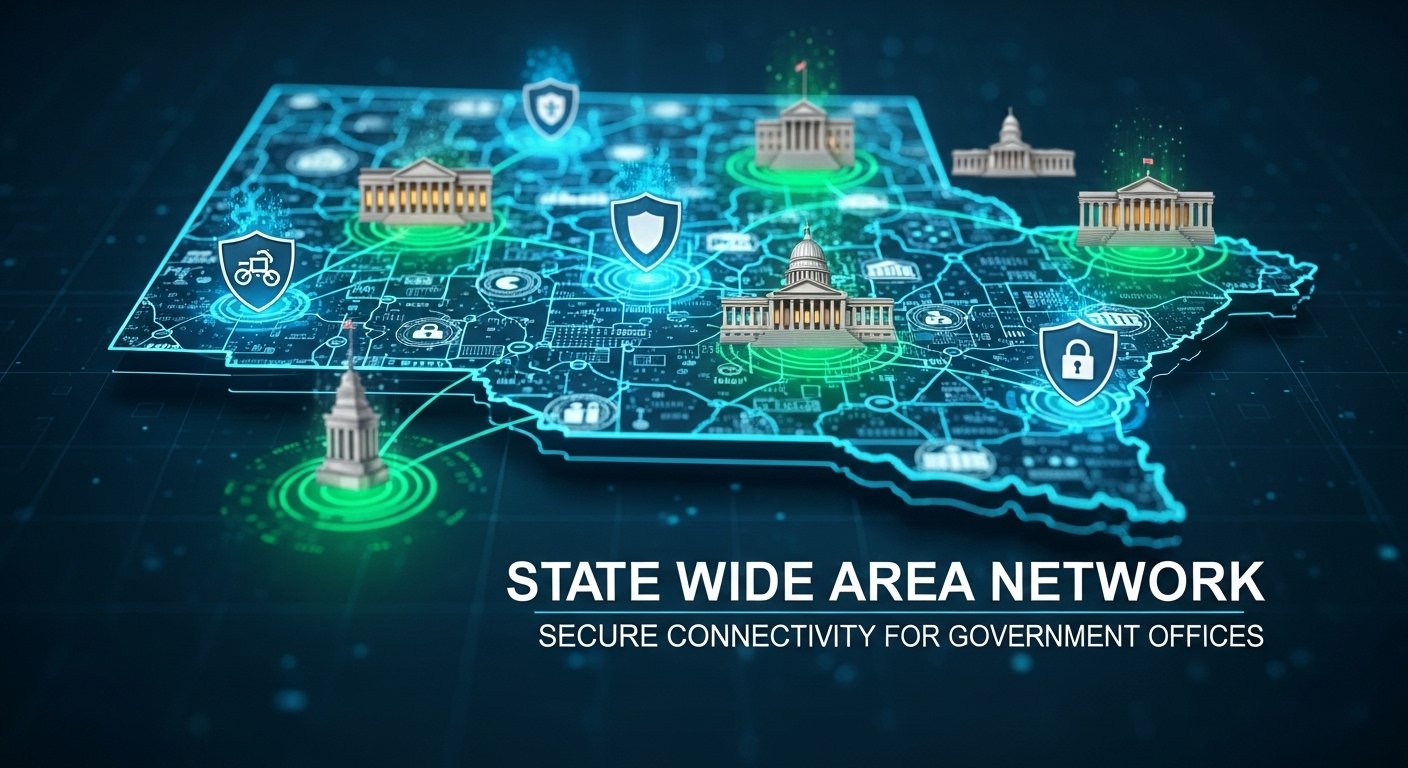
As technology continues to evolve, government offices are seeking reliable and efficient ways to communicate and share information. Enter the State Wide Area Network (SWAN). This powerful network solution serves as a backbone for connectivity across various agencies, enabling seamless interactions and data sharing. Imagine every state department having access to real-time information at their fingertips. With SWAN, that vision becomes reality.
Governments are tasked with managing vast amounts of sensitive data while ensuring transparency and collaboration among departments. SWAN not only enhances communication but also fortifies security measures needed in today’s digital landscape. Discover how this innovative networking infrastructure can transform the way government offices operate, promoting efficiency and accountability within public services. Let’s dive deeper into what makes SWAN an essential tool for modern governance!
Benefits of SWAN for Government Offices
State Wide Area Networks (SWAN) offer numerous advantages tailored for government offices. One significant benefit is enhanced communication. With SWAN, various departments can connect seamlessly, sharing information quickly and efficiently.
Another advantage is improved data management. By centralizing resources, agencies can access vital information without delay. This fosters better decision-making and responsiveness to public needs.
Cost efficiency also plays a crucial role in the benefits of SWAN. By consolidating services into one network infrastructure, government entities save on operational costs while maximizing their technological investments.
Additionally, SWAN supports remote work capabilities. Employees can securely access necessary tools and data from different locations, ensuring continuity in service delivery even during unforeseen circumstances.
Scalability stands out as a key feature of SWAN. As governmental operations evolve or expand, the network can be adjusted easily to accommodate new demands without major overhauls.
Components and Architecture of SWAN
The architecture of a State Wide Area Network (SWAN) is designed to ensure efficient communication across vast distances. At its core, it typically consists of multiple regional networks that connect various government offices and agencies.
Key components include routers, switches, and firewalls. Routers facilitate data packets’ journey between different locations. They play a crucial role in directing traffic efficiently. Switches help connect devices within local areas, ensuring seamless internal communications.
Firewalls add an essential layer of security by monitoring incoming and outgoing traffic. This protects sensitive governmental data from unauthorized access.
Communication links such as fiber optics or satellite connections provide the backbone for data transfer across regions. These elements work together to create a robust infrastructure capable of supporting the needs of state agencies while maintaining high performance and reliability.
Security Measures in SWAN
Security measures in a State Wide Area Network (SWAN) are critical for safeguarding sensitive government data. Implementing multi-layered security protocols is essential to protect against cyber threats.
One key strategy involves encryption of data both at rest and in transit. This ensures that even if intercepted, the information remains unreadable to unauthorized users.
Firewalls serve as another line of defense, monitoring incoming and outgoing traffic. They help block malicious activities while allowing legitimate communications.
Regular security audits also play a vital role. These assessments identify vulnerabilities within the network, enabling swift remediation before potential breaches occur.
Moreover, user authentication processes strengthen access control by ensuring that only authorized personnel can connect to the SWAN. Biometric identification methods are increasingly being adopted for enhanced security.
Training staff on cybersecurity best practices fosters a culture of vigilance throughout government offices, minimizing risks associated with human error.
Case Studies: Successful Implementation of SWAN in Government Offices
Several government offices have successfully implemented State Wide Area Networks, showcasing their potential to transform operations.
In a notable example, the Department of Motor Vehicles (DMV) in California adopted SWAN to streamline its services. This integration allowed for real-time data sharing between various locations, reducing wait times and enhancing customer satisfaction.
Another case involves the Florida Department of Health. By leveraging a SWAN framework, they improved communication among local health departments. This initiative facilitated timely responses during public health emergencies and increased collaboration across agencies.
Moreover, Texas utilized SWAN for law enforcement agencies. Enhanced connectivity not only improved data access but also ensured secure information exchange vital for investigations.
These instances highlight how effective implementation of State Wide Area Networks can lead to more efficient and responsive government operations. Each case reflects unique challenges addressed by tailored solutions within the broader SWAN framework.
Challenges and Solutions for Setting up SWAN
Setting up a State Wide Area Network (SWAN) brings its own set of challenges. One major hurdle is ensuring compatibility among various technologies across different government agencies. Diverse systems can complicate integration, leading to delays.
Another challenge lies in funding and resource allocation. Budget constraints often limit the implementation of advanced infrastructure needed for SWANs. To address this, governments can seek public-private partnerships, leveraging private sector expertise and resources.
Training personnel also poses difficulties. Employees may require significant time to adapt to new technologies and protocols. Offering comprehensive training programs eases this transition and enhances operational efficiency.
Maintaining network security during setup is critical yet challenging. As vulnerabilities emerge, it’s essential to implement robust security frameworks from the onset. Regular audits and updates help safeguard sensitive data throughout the process.
Conclusion
State Wide Area Networks (SWAN) are transforming the way government offices operate. By providing reliable, high-speed connectivity across vast geographic areas, SWAN enhances communication and accessibility among various departments. This technology fosters collaboration and efficiency, ultimately improving public services.
The benefits of implementing a State Wide Area Network are numerous. Government agencies can streamline their operations, reduce costs associated with maintaining multiple networks, and enhance data sharing capabilities. With a unified network infrastructure in place, officials can focus on delivering better services to citizens rather than managing fragmented systems.
Understanding the components that make up SWAN is crucial for successful implementation. These include routers, switches, firewalls, and the necessary software to manage traffic efficiently. A well-designed architecture ensures seamless connectivity while accommodating future growth as bandwidth demands increase.
Security is paramount when dealing with sensitive government data. Robust security measures like encryption protocols and access controls protect against potential threats while ensuring compliance with regulations. Regular audits and monitoring further bolster system integrity.
Looking at real-world examples highlights how effective SWAN can be within governmental frameworks. Successful case studies showcase improved workflow efficiencies through increased inter-agency communication—ultimately yielding positive outcomes for constituents who rely on these essential services.
Despite its advantages, deploying a State Wide Area Network does come with challenges. Issues such as funding constraints or resistance to change may arise during implementation phases but can often be mitigated through strategic planning and stakeholder engagement.
Government offices looking to embrace modern networking solutions should consider SWAN not just as an option but as an imperative step toward operational excellence in this digital age where secure connectivity reigns supreme.