

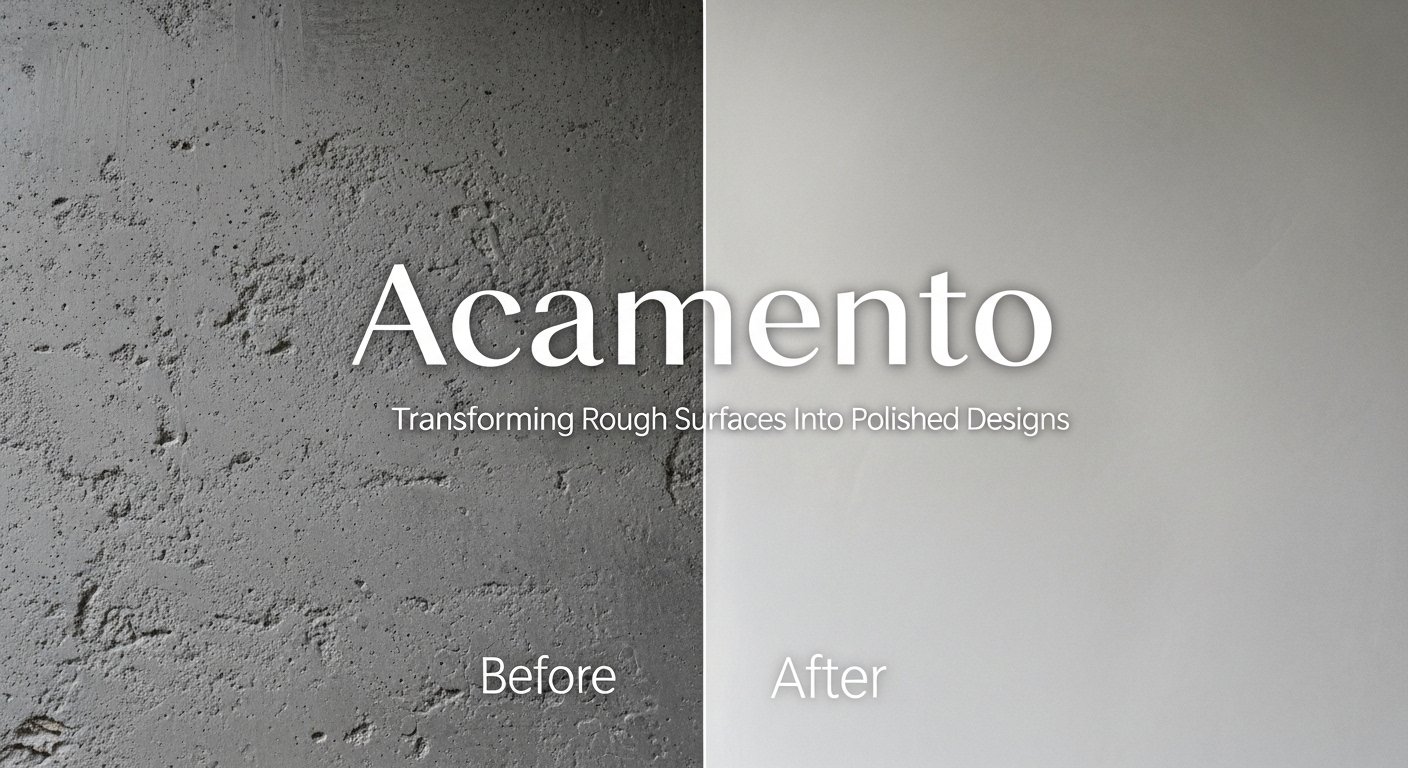
Imagine walking into a room where the surfaces glisten with elegance, every corner telling a story of craftsmanship and innovation. This is the magic of Acamento—a revolutionary technique that elevates rough textures to refined finishes. Whether you’re renovating your home or designing a new space, understanding how to transform ordinary materials into polished masterpieces can make all the difference. Join us as we delve into the world of Acamento, exploring its history, benefits, and creative applications in modern design. Get ready to unlock the potential hidden within your spaces!
The History of Polishing Surfaces
The art of polishing surfaces dates back thousands of years. Ancient civilizations, such as the Egyptians and Mesopotamians, used rudimentary methods to create smooth finishes on stone and wood.
These early artisans recognized that a polished surface not only enhanced aesthetics but also improved durability. They employed various tools, from simple abrasives to more advanced techniques over time.
With the rise of metallurgy during the Middle Ages, polishing took a new turn. Metals like bronze and silver became popular for decorative purposes. Craftsmen utilized finer materials to achieve stunning luster.
As technology progressed into the Industrial Revolution, specialized machines emerged. These innovations revolutionized how surfaces were treated—making it easier and faster to achieve that perfect shine.
Today, modern advancements continue this legacy. Polishing has evolved into an essential process across multiple industries—from manufacturing to interior design—showcasing its timeless appeal.
The Benefits of Using Acamento
Acamento offers a myriad of benefits that can elevate any design project. One standout advantage is its ability to enhance aesthetics dramatically. A polished surface transforms ordinary materials into stunning focal points, adding elegance to interiors.
Another significant benefit is durability. Acamento-treated surfaces resist wear and tear better than unpolished counterparts, ensuring longevity in high-traffic areas. This resilience means less frequent replacements or repairs.
Additionally, using Acamento improves maintenance ease. Polished surfaces are smoother and easier to clean, reducing the time spent on upkeep.
Moreover, it contributes to sustainability by prolonging the life of materials that might otherwise need replacement sooner than expected.
Acamento opens doors for creativity in design applications—allowing homeowners and designers alike to explore unique textures and finishes that reflect personal style effortlessly.
Types of Materials That Can be Polished with Acamento
Acamento works wonders on a variety of surfaces. Its versatility is one of its greatest strengths.
You can transform concrete into a sleek finish, perfect for modern spaces. Stone surfaces like marble and granite also shine beautifully when treated with Acamento, enhancing their natural patterns.
Wood enthusiasts will appreciate how this product revitalizes hardwood floors. It brings out the grain and adds depth to any room.
Metals are not left behind either; stainless steel can be polished to a mirror-like sheen, elevating kitchen aesthetics instantly.
Even glass can benefit from Acamento’s gentle touch, making it ideal for decorative items or fixtures that require clarity and brilliance.
With such an array of materials suitable for polishing, the possibilities are endless in your design journey!
How to Apply Acamento
Applying Acamento is straightforward when you follow the right steps. First, ensure your surface is clean and free of dust or debris. A well-prepared surface leads to better adhesion.
Next, mix the Acamento compound according to package instructions. The consistency should be smooth but not too runny.
Using a trowel or spatula, spread an even layer over the desired area. Work in small sections for precision and control. It’s essential to apply pressure for optimal coverage.
Allow it to dry completely before sanding it down for that polished finish. This step enhances both aesthetics and texture.
For intricate designs, consider layering different colors or textures of Acamento to create depth and visual interest. Experimentation can yield stunning results that elevate your space significantly!
Creative Ways to Incorporate Acamento Into Home Design
Acamento can elevate any space with its sleek finish. Think of accent walls in living rooms or kitchens. A polished surface can draw attention and create a focal point.
Consider using Acamento on furniture pieces, like coffee tables or sideboards. The smooth texture adds sophistication to your décor.
In bathrooms, Acamento lends itself beautifully to countertops and sinks. Imagine how stunning a glossy vanity could look against natural wood accents.
For outdoor spaces, applying Acamento to patio surfaces brings elegance outdoors. It’s perfect for creating an inviting atmosphere for entertaining guests.
Don’t forget about smaller items too! Picture picture frames or decorative bowls finished with this material; they become conversation starters in any room.
Let your creativity flow as you explore the versatility of Acamento throughout your home design projects. Each application offers a chance to showcase individuality while enhancing overall aesthetics.
Maintenance and Care for Acamento Surfaces
To keep your Acamento surfaces looking pristine, regular maintenance is key. Start by dusting or wiping the surface with a soft cloth to remove any debris or dirt.
Avoid harsh chemicals that can dull the finish. Instead, use a mild soap mixed with warm water for cleaning. This gentle approach ensures you maintain the luster without damaging the surface.
For deeper cleaning, consider using specialized products designed specifically for polished surfaces. These can help enhance shine and protect against wear over time.
Additionally, it’s wise to apply a sealant every few years. This adds an extra layer of protection and keeps those stunning details intact.
Always remember to avoid dragging heavy objects across your Acamento surfaces. Simple precautions go a long way in preserving their beauty and durability for years to come.
Conclusion
Acamento stands at the forefront of transforming rough surfaces into stunning polished designs. This innovative approach breathes new life into various materials, making it an essential consideration for both homeowners and designers alike. The history of polishing shows a continuous evolution, with Acamento taking center stage in modern applications.
The benefits of using Acamento are numerous, from enhancing aesthetic appeal to increasing durability. Its versatility allows it to be applied across a wide range of materials, ensuring that any project can achieve that desired finish. Applying Acamento is straightforward, offering creative opportunities for incorporating this technique into home design.
Maintenance and care are vital for preserving the beauty and integrity of Acamento surfaces. Regular cleaning and proper treatment will keep them looking their best for years to come.
With its unique ability to transform ordinary spaces into extraordinary ones, choosing Acamento is an investment in quality and style. Explore how you can elevate your environment with this remarkable polishing method.