

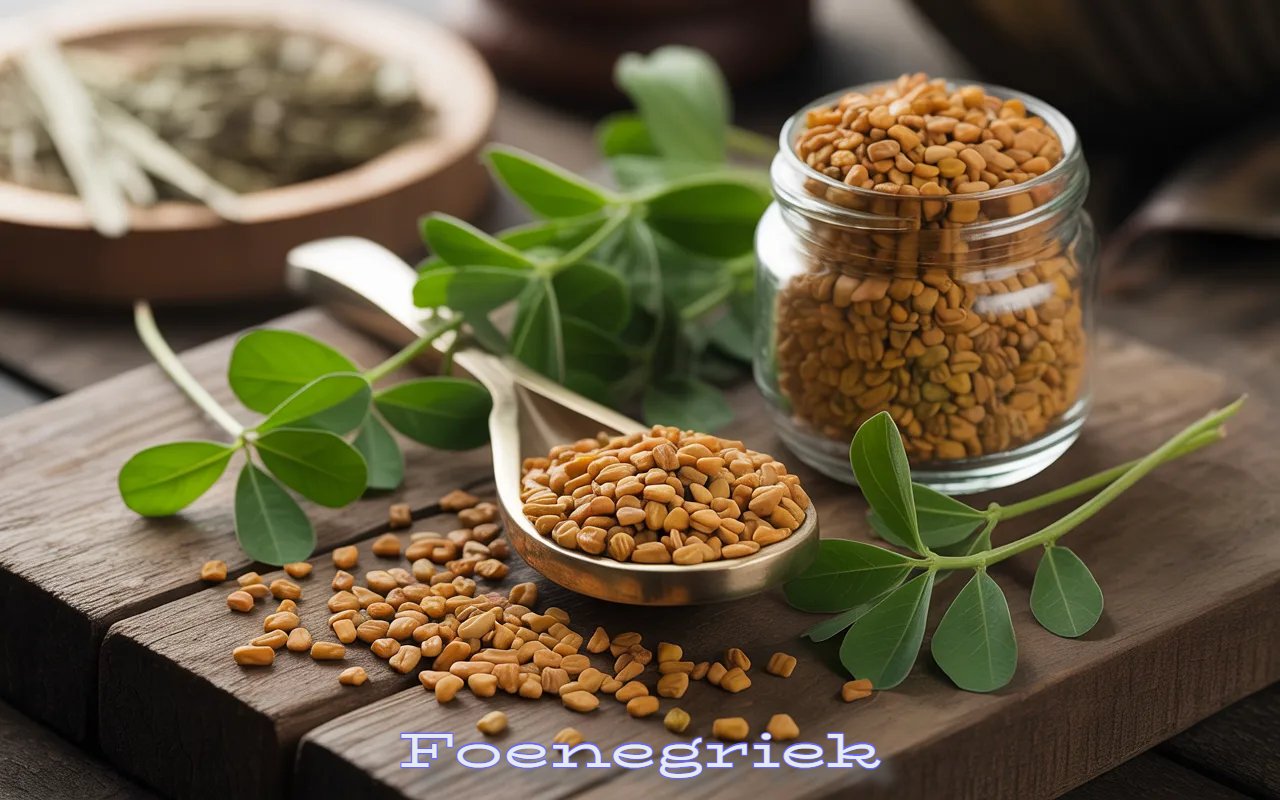
Foenegriek, often known as fenugreek, is a powerhouse herb that has stood the test of time. With roots tracing back thousands of years, this remarkable plant offers much more than just flavor. From ancient civilizations to modern kitchens and wellness practices, foenegriek has carved out a significant place in both health and culinary realms.
Imagine unlocking not only an exciting array of flavors for your dishes but also tapping into a treasure trove of health benefits. Whether you’re exploring new ways to spice up your meals or seeking natural remedies for common ailments, foenegriek might just be the answer you’ve been looking for. Let’s dive deeper into this ancient herb and discover what makes it so special today!
History and Cultural Significance
Foenegriek, known as fenugreek in English, boasts a rich history that spans centuries and continents. Originating in the Mediterranean region, it has been cultivated since ancient times for its culinary and medicinal properties.
In ancient Egypt, fenugreek seeds were used in embalming practices and were even found in the tomb of Tutankhamun. This herb was revered not just for its flavor but also for its health benefits.
Indian culture embraced foenegriek wholeheartedly. It features prominently in traditional Ayurvedic medicine, celebrated for promoting digestion and enhancing lactation.
Middle Eastern cuisines often incorporate this versatile herb into dishes like stews and spice blends, showcasing its adaptability across various cultures. Foenegriek’s journey through history reflects human connection to nature’s bounty long before modern science validated its numerous advantages.
Nutritional Value and Health Benefits
Foenegriek, also known as fenugreek, is a powerhouse of nutrition. It’s rich in dietary fiber, which aids digestion and promotes gut health. The presence of essential vitamins like A, C, and several B vitamins makes it valuable for maintaining overall wellness.
This herb is also packed with minerals such as iron, magnesium, and manganese. These nutrients support energy production and help maintain bone strength.
One of the standout compounds in foenegriek is diosgenin. This saponin has been linked to various health benefits including reducing cholesterol levels and improving blood sugar control.
Additionally, foenegriek may boost lactation in nursing mothers due to its galactagogue properties. Its anti-inflammatory effects can assist in reducing symptoms related to arthritis too.
Incorporating this ancient herb into your diet can provide numerous advantages for both body and mind without overwhelming your palate.
Culinary Uses and Recipes
Foenegriek, or fenugreek, brings a unique twist to various dishes. Its slightly bitter and nutty flavor enhances both savory and sweet recipes.
In Indian cuisine, it’s often found in curries and lentil dishes. A sprinkle of roasted foenegriek seeds can add depth to vegetable stir-fries.
Baking enthusiasts appreciate its versatility, too. Incorporating ground foenegriek into bread dough imparts an aromatic touch that keeps the loaf nice and moist.
For a refreshing salad dressing, blend olive oil with crushed seeds, lemon juice, and your choice of herbs for an unexpected zing.
Try steeping the leaves in boiling water for a herbal tea that’s soothing yet invigorating. This simple infusion can be enjoyed hot or cold throughout the day.
Experimenting with this ancient herb opens doors to new flavors while reaping its health benefits at home.
How to Incorporate Foenegriek into Your Diet
Incorporating foenegriek into your diet is simple and rewarding. Start by adding the seeds to your spice rack. Their slightly nutty flavor enhances both savory and sweet dishes.
Consider making a foenegriek tea. Soak a teaspoon of seeds in hot water for about 10 minutes, then strain. This aromatic drink can be a soothing addition to your morning routine.
For those who love cooking, try using ground foenegriek in curries or soups. It adds depth without overpowering other flavors. You might also sprinkle some over roasted vegetables for an extra kick.
If you’re feeling adventurous, mix it into smoothies or yogurt. The subtle taste blends well with fruits while boosting nutritional value.
Don’t forget about baking! Incorporate the seeds into bread or muffin recipes for added texture and health benefits. There are endless possibilities waiting to be explored with this ancient herb.
Potential Side Effects and Precautions
Foenegriek, while packed with benefits, may not be suitable for everyone. Some individuals might experience mild digestive issues such as bloating or gas when consuming it in large quantities.
Pregnant women should exercise caution, as high doses of foenegriek could stimulate the uterus and potentially lead to complications. Always consult a healthcare provider before incorporating it into your routine during pregnancy.
Individuals on blood-thinning medications should also be aware that foenegriek can affect blood clotting. This herb has natural properties that may enhance the effects of anticoagulants.
If you have allergies to plants in the legume family, it’s best to avoid foenegriek altogether. Being aware of these potential side effects can help ensure a positive experience with this ancient herb.
Conclusion
Foenegriek, or fenugreek, is more than just an ancient herb; it’s a treasure trove of benefits that spans history and cultures. Its rich nutritional profile makes it a powerful ally for health enthusiasts. From aiding digestion to potentially lowering blood sugar levels, the advantages are hard to ignore.
Culinary explorers will find joy in using foenegriek’s unique flavor in various dishes, enhancing both taste and nutrition. With simple incorporation into meals—from soups to spice blends—it’s easy to enjoy its perks daily.
While foenegriek boasts numerous benefits, it’s essential to approach this herb with care. Monitoring individual reactions and consulting healthcare professionals can ensure safe usage.
This ancient herb continues to hold relevance today, blending seamlessly into modern diets while offering time-honored wisdom for health and culinary arts alike. Whether you’re seeking wellness or flavor enhancement in your cooking, foenegriek could be a valuable addition worth exploring further.