

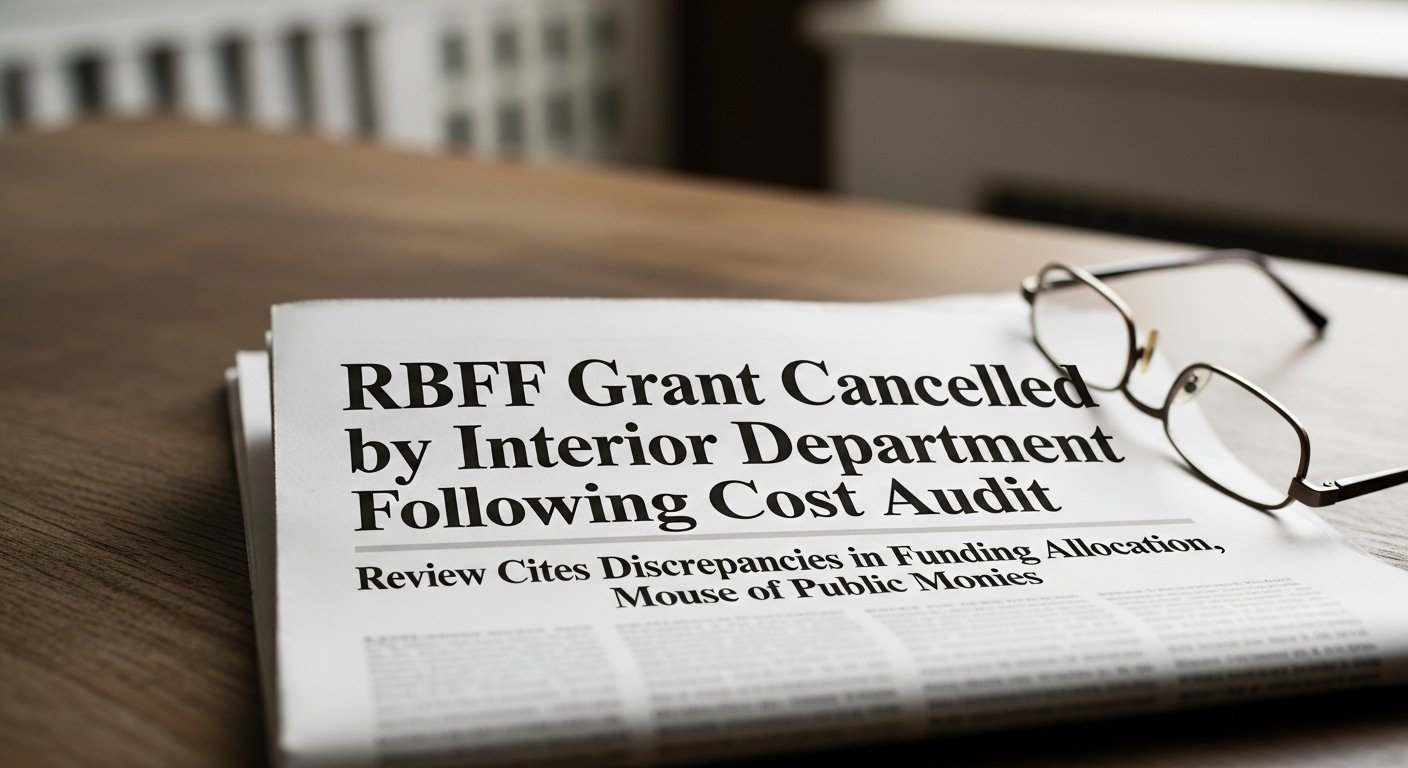
The recent cancellation of the RBFF Grant by the Interior Department has sent ripples through the fishing and boating community. This grant, aimed at promoting recreational fishing and safeguarding aquatic resources, was seen as a beacon of hope for many in the industry. However, an unexpected audit brought unforeseen challenges to light. As stakeholders scramble to understand what this means moving forward, it’s clear that changes are on the horizon for those who rely on these vital programs. Let’s dive into what led to this decision and its implications for the future of fishing and boating initiatives across the nation.
The Purpose and Goals of the RBFF Grant
The RBFF Grant was established to enhance the fishing and boating experience across the nation. Its primary focus is on promoting waterway access, conservation efforts, and education related to aquatic resources.
One of its key goals is to increase participation in recreational fishing and boating activities. By funding various initiatives, the grant aims to ignite interest among new anglers and boaters while also retaining seasoned participants.
Additionally, it seeks to foster partnerships between organizations dedicated to preserving natural habitats. These collaborations are essential for ensuring that future generations can enjoy these outdoor pursuits.
Through community engagement programs and educational outreach, the RBFF Grant strives not just for increased numbers but also for a more informed public about sustainable practices in fishing and boating. The ultimate vision encompasses a thriving ecosystem supported by enthusiastic communities actively participating in their local waterways.
Audit Findings and Cancellation of the Grant
Recent audits revealed significant financial discrepancies tied to the RBFF Grant. The Interior Department uncovered issues regarding fund allocation and usage that raised serious concerns.
These findings prompted immediate action. The department decided to cancel the grant, citing a need for greater accountability in federal funding. This move shocked many stakeholders involved in fishing and boating initiatives.
The cancellation has left numerous projects without crucial support. Organizations relying on this funding now face uncertainty about their future operations.
As news spread, it became clear that trust between agencies and industry partners had been shaken. Stakeholders are now calling for transparency and clarity on how similar situations can be avoided moving forward.
Impact on Fishing and Boating Industry
The cancellation of the RBFF grant by the Interior Department has sent ripples through the fishing and boating industry. Many organizations relied on this funding to promote sustainable practices and enhance participation in water-based activities.
With fewer resources, initiatives aimed at engaging new anglers and boaters may stall. Campaigns that educate potential participants about conservation efforts could see significant setbacks.
Moreover, local economies that thrive on fishing tourism might feel a pinch as promotional events get shelved. Businesses associated with waterfront recreation often depend on grants like these for marketing support.
Industry leaders are now voicing concerns over long-term repercussions. They worry about declining interest among younger generations if outreach programs falter due to lack of funding. The future landscape of recreational fishing could be at risk without adequate financial backing to inspire new enthusiasts.
Response from RBFF and Industry Leaders
The cancellation of the RBFF grant has sent ripples through the fishing and boating community. The Recreational Boating & Fishing Foundation, known as RBFF, expressed disappointment over the decision by the Interior Department.
RBFF leaders emphasized their commitment to promoting fishing participation and ensuring sustainable practices. They believe that securing funding is essential for advancing initiatives in conservation and education.
Industry stakeholders have rallied in support of RBFF. Many see this setback as a challenge rather than an endgame. They are urging collaboration among organizations to seek alternative funding sources.
Voices from within the industry highlight the importance of sustained public engagement with outdoor activities. Leaders stress that access to waterways must remain a priority despite financial hurdles.
Together, they aim to navigate these changes while keeping recreational fishing alive and thriving across communities nationwide.
Next Steps for RBFF and Future Grants
The RBFF is now at a crossroads. With the interior department rbff grant cancellation, it faces significant challenges ahead. Adapting to this setback will require innovative thinking and strategic planning.
Moving forward, RBFF must engage stakeholders in new discussions about funding avenues. Exploring partnerships with private sectors could be vital for future initiatives. Collaborating with local agencies may also open doors to untapped resources.
Moreover, transparency throughout the process will be essential. By communicating openly about their strategies and goals, they can regain trust within the community.
The organization should consider hosting forums or workshops to gather feedback from anglers and industry leaders alike. This grassroots approach could spark fresh ideas for programs that align with current needs.
As they navigate these turbulent waters, keeping an eye on best practices from other successful organizations will serve them well in crafting effective proposals for upcoming grants.
Conclusion
The recent cancellation of the RBFF grant by the Interior Department has sent ripples through the fishing and boating community. This decision stems from a comprehensive audit that raised questions about funding allocation and expenditure transparency.
As stakeholders in this industry reflect on what this means for future initiatives, there is hope that adjustments can be made to restore confidence in similar grants. The goals of promoting fishing participation and conservation remain vital, underscoring the importance of adequate support for these activities.
Moving forward, dialogues between RBFF, industry leaders, and government officials will play a crucial role. Collaborative efforts could pave the way for new funding opportunities or modifications to existing programs aimed at boosting engagement in recreational fishing and boating.
While challenges lie ahead due to this setback, it also presents an opportunity for growth. Addressing concerns now may lead to stronger frameworks in place for future projects geared towards enhancing our waterways and preserving aquatic ecosystems.