

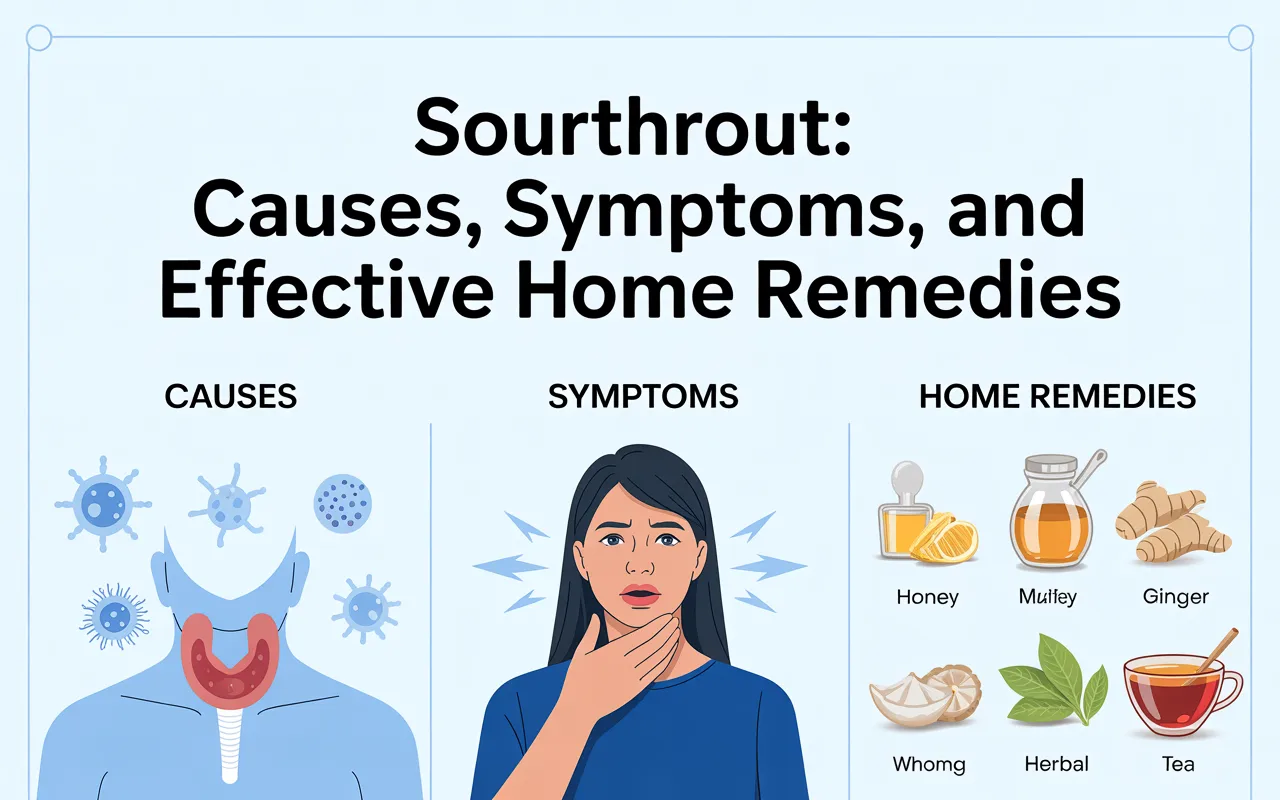
Sourthrout—an ailment that can disrupt your daily life with its uncomfortable symptoms. If you’ve ever experienced a scratchy throat, difficulty swallowing, or an irritating cough, you may be familiar with this condition. Understanding the ins and outs of sourthrout is key to finding relief and getting back to feeling like yourself. In this article, we’ll explore the causes behind sourthrout, identify its common symptoms, and dive into effective treatments. Whether you’re seeking medical advice or looking for natural remedies at home, we’ve got you covered on your journey to recovery. Let’s uncover everything you need to know about managing sourthrout effectively!
Common Causes of Sourthrout
Sourthrout can be triggered by various factors that impact your throat’s health. Viral infections are among the most common culprits. When you catch a cold or flu, inflammation can lead to discomfort and soreness.
Bacterial infections also play a significant role. Streptococcus bacteria, for instance, cause strep throat, which results in severe pain and difficulty swallowing.
Allergies may contribute as well. Pollen, dust mites, or pet dander can irritate the throat lining and result in sour sensations.
Environmental factors like dry air can exacerbate symptoms too. Dryness often leads to irritation and scratchiness in the throat.
Lifestyle choices such as smoking or excessive alcohol consumption can worsen conditions related to sourthrout. These habits irritate the mucous membranes of your throat over time.
Medical Treatments for Sourthrout
Medical treatments for sourthrout typically involve addressing the underlying causes. If a bacterial infection is identified, antibiotics may be prescribed to eliminate it effectively. This can provide quick relief from symptoms.
For viral infections, antiviral medications might be recommended, but they usually focus on symptom management rather than curing the virus itself. Over-the-counter pain relievers like ibuprofen or acetaminophen can help reduce inflammation and alleviate discomfort.
In some cases, corticosteroid throat sprays may be used to reduce swelling and irritation in the throat. These provide localized relief without systemic side effects.
Hydration is also essential during treatment. Drinking plenty of fluids helps soothe your throat and keeps mucus thin.
If allergies are contributing factors, antihistamines can offer significant relief by reducing nasal congestion that leads to postnasal drip and sore throat sensations.
Home Remedies for Managing Sourthrout
When dealing with sour throat, several home remedies can provide relief. Honey is a classic choice. Its soothing properties coat the throat, reducing irritation while providing moisture.
Gargling saltwater is another effective method. Mix half a teaspoon of salt in warm water and gargle for a few minutes. This helps to reduce inflammation and kill bacteria.
Herbal teas, especially chamomile or ginger tea, can be incredibly beneficial. They offer warmth and anti-inflammatory benefits that ease discomfort.
Apple cider vinegar mixed with water may also aid in alleviating symptoms due to its antibacterial properties.
Staying hydrated by drinking plenty of fluids keeps the throat moist and helps flush out toxins from the body.
The Benefits of Using Natural Remedies
Natural remedies offer a gentler approach to healing, often with fewer side effects compared to pharmaceuticals. Many people prefer these holistic options as they work in harmony with the body’s natural processes.
Using herbs and plants can provide targeted relief for various ailments, including sourthrout. Ingredients like honey, ginger, and chamomile are known for their soothing properties.
Another advantage is accessibility. Common kitchen items often serve as effective treatments without the need for prescriptions or costly medications.
Additionally, embracing natural remedies fosters a deeper connection to wellness practices passed down through generations. This can enhance mental well-being alongside physical health.
Many also appreciate that these options encourage lifestyle changes promoting overall health—making them not just solutions but pathways toward better living.
Prevention Tips for Avoiding Sourthrout
Preventing sour throat can be simple with a few lifestyle adjustments. Start by maintaining good hygiene. Wash your hands regularly to reduce the spread of germs.
Stay hydrated throughout the day. Drinking enough water helps keep your throat moist and less prone to irritation.
Avoid smoking and exposure to secondhand smoke, as they can inflame your throat lining. If allergies trigger discomfort, address them promptly with appropriate medications or natural remedies.
Incorporate a balanced diet rich in fruits and vegetables. Foods high in vitamin C boost immunity, making it easier for your body to ward off infections.
Keep indoor air humidified, especially during dry seasons. Using a humidifier can prevent dryness that leads to sore throats.
Practice stress management techniques like yoga or meditation since stress can weaken your immune system and make you more susceptible to illness.
Conclusion
Sourthrout can be a frustrating and uncomfortable condition. Being aware of its causes and symptoms is the first step in managing it effectively. While medical treatments are available, many people find relief through natural home remedies that harness the power of everyday ingredients.
Using these remedies not only aids in soothing discomfort but also promotes overall wellness without harsh side effects. With proper prevention strategies, you can reduce your risk of experiencing sourthrout again.
Taking care of your health should always be a priority. By understanding sourthrout and how to manage it naturally, you empower yourself to lead a more comfortable life while fostering good habits for the future.