

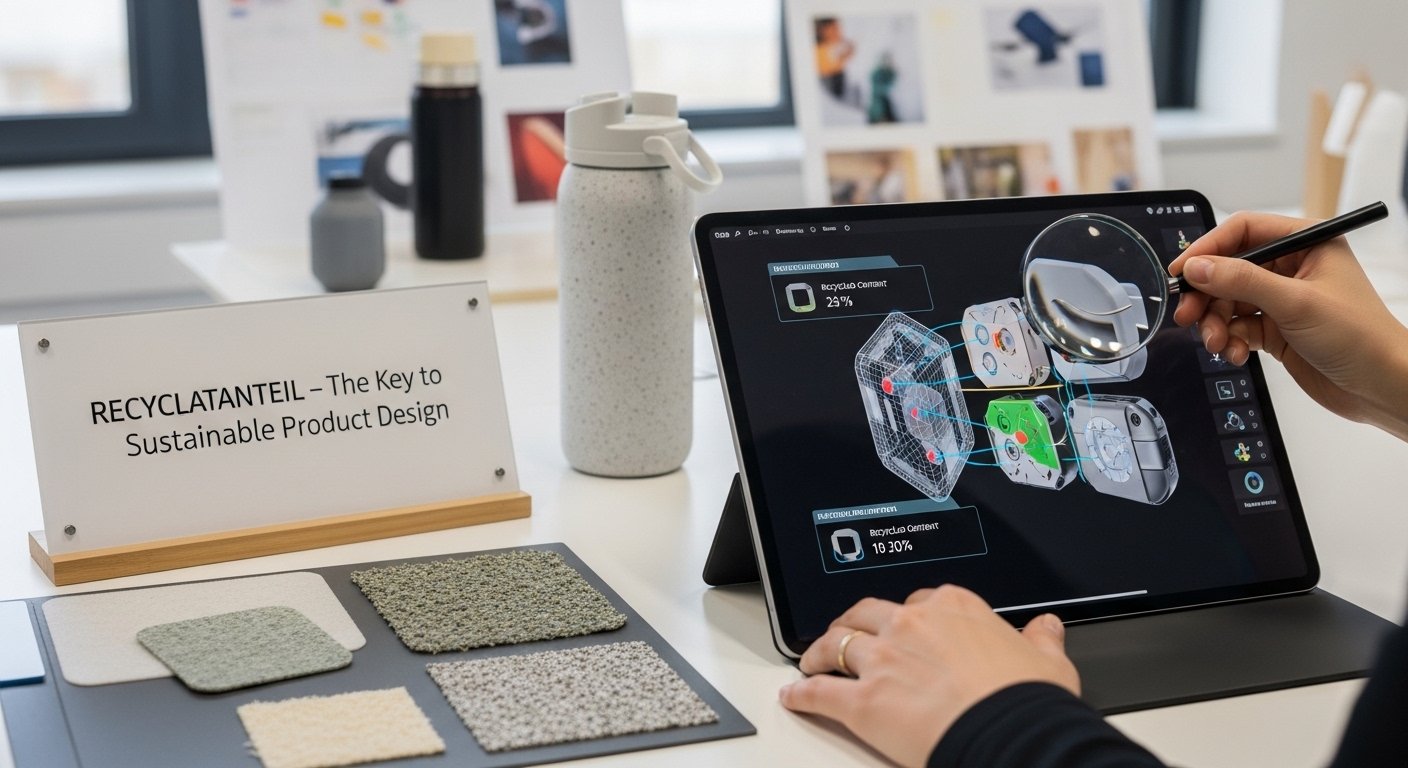
Imagine a world where the products we use every day not only serve their purpose but also contribute to a healthier planet. This vision is becoming increasingly attainable, thanks in large part to an innovative concept known as Recyclatanteil. As consumers become more environmentally conscious, companies are searching for sustainable solutions that resonate with this demand. The integration of recyclate content into product design isn’t just a trend—it’s reshaping how we think about materials and their lifecycle.
From packaging to electronics, the push for incorporating recycled materials is gaining momentum. As businesses strive to reduce their environmental footprint, understanding the role of Recyclatanteil becomes essential. It’s time to explore how embracing this concept can lead us towards effective and responsible product development while meeting consumer expectations head-on. Let’s dive into why Recyclatanteil is fast becoming the cornerstone of sustainable product design!
Understanding the Importance of Sustainable Product Design
Sustainable product design is essential in today’s world. It aligns with the growing consciousness about environmental issues. As consumers become more eco-aware, they seek products that reflect their values.
This approach goes beyond aesthetics or functionality. It’s about creating solutions that minimize waste and conserve resources. Companies can reduce their ecological footprint by considering materials, manufacturing processes, and end-of-life impacts.
Moreover, sustainable design fosters innovation. Designers are challenged to think outside traditional frameworks and explore alternative materials like recycled content or biodegradable options. This creativity leads to unique products that stand out in a crowded market.
Investing in sustainability also builds brand loyalty. Customers appreciate transparency and responsibility from companies they support. They are likely to choose brands committed to ethical practices over those focused solely on profit.
In this evolving landscape, prioritizing sustainable product design is not just an option; it’s becoming a vital strategy for success.
The Role of Recyclatanteil in Sustainable Product Design
Recyclatanteil plays a pivotal role in sustainable product design. It refers to the proportion of recycled materials used in the manufacturing process. This concept is gaining traction as brands seek eco-friendly practices.
By integrating recyclatanteil, designers can significantly reduce waste. They transform discarded materials into valuable resources, fostering a circular economy. This approach minimizes reliance on virgin materials and decreases environmental impact.
Moreover, products with high recyclatanteil often appeal to conscious consumers. Shoppers are increasingly looking for items that reflect their values regarding sustainability. When brands highlight their use of recycled content, they enhance both product credibility and customer loyalty.
Incorporating recyclatanteil also encourages innovation within design teams. Engineers and designers think creatively about sourcing materials while maintaining functionality and aesthetics. The challenge becomes finding new ways to utilize what already exists rather than starting from scratch.
Advantages of Incorporating Recyclatanteil in Product Design
Incorporating Recyclatanteil in product design brings numerous advantages that resonate with eco-conscious consumers. The use of recycled materials not only reduces waste but also conserves natural resources. This contributes to a significant decrease in carbon footprints associated with production.
Additionally, products featuring Recyclatanteil often attract environmentally aware customers. Brands can enhance their market appeal by showcasing sustainability as a core value. This can lead to increased customer loyalty and trust.
Moreover, integrating recycled content can sometimes lower manufacturing costs. By utilizing existing materials, companies may find opportunities for cost savings compared to traditional processes.
Embracing sustainable practices positions brands ahead of regulatory changes related to environmental standards. Companies adopting Recyclatanteil are better prepared for future challenges while setting an industry benchmark for responsible innovation.
Challenges and Solutions for Implementing Recyclatanteil
Implementing Recyclatanteil in product design comes with its share of challenges. One major hurdle is sourcing quality recycled materials that meet industry standards. Not all recyclates are created equal, and ensuring consistency can be tricky.
Another challenge lies in the perception of consumers. Many still associate recycled products with lower quality. Educating the market about the benefits and reliability of these products is essential for acceptance.
Additionally, manufacturers often face technical limitations when integrating recyclates into their existing processes. Adapting machinery or reformulating designs may require significant investment.
However, solutions exist. Collaborations between companies and recycling facilities can improve material supply chains. Investments in research and development help innovate new methods for incorporating recyclates seamlessly.
Public awareness campaigns can shift consumer attitudes towards sustainability as a desirable choice rather than a compromise on quality. With collective efforts, overcoming these obstacles is achievable.
Case Studies: Successful Examples of Using Recyclatanteil in Product Design
One standout example is Adidas, which has pioneered the use of recycled ocean plastic in their footwear. Their Parley collection showcases how integrating recyclatanteil can transform waste into high-performance products. This innovative approach not only reduces environmental impact but also appeals to eco-conscious consumers.
Another notable case comes from IKEA, where they have committed to using 100% renewable or recycled materials by 2030. Their furniture lines made with recycled wood and plastics exemplify how sustainable practices can be woven into mainstream design without compromising quality.
Patagonia, a leader in outdoor apparel, incorporates recyclatanteil through its Worn Wear program. By encouraging customers to repair and recycle their gear, Patagonia strengthens brand loyalty while promoting sustainability.
These examples illustrate that incorporating recyclatanteil isn’t just a trend; it’s becoming essential for brands aiming for longevity and relevance in today’s market.
The Growing Demand for Sustainable Products and the Role of Recyclatante
As we look toward the future, the demand for sustainable products is set to rise significantly. Consumers are becoming more conscious of their choices and seeking out brands that prioritize environmental responsibility. This shift in consumer behavior creates a powerful incentive for companies to adopt sustainable practices.
Recyclatanteil plays a crucial role in this transition towards eco-friendly product design. By incorporating recycled materials into new products, businesses not only reduce waste but also showcase their commitment to sustainability. Companies leveraging recyclatanteil can tap into the growing market of environmentally aware consumers, enhancing brand loyalty and attracting new customers.
The trend isn’t just about meeting current demand; it’s about shaping a resilient future where sustainability becomes standard practice across industries. Innovations in material science are making it easier than ever to integrate recyclatanteil effectively without compromising on quality or performance.
As regulatory frameworks increasingly support sustainable practices, businesses will find themselves under pressure to adapt quickly. Brands that embrace recyclatanteil now will be better positioned for long-term success as they align with both consumer expectations and governmental guidelines aimed at reducing environmental impact.
In essence, embracing recyclatanteil is not merely an option—it’s becoming essential for survival in today’s competitive market landscape focused on sustainability. The journey towards a greener planet may be challenging but rewarding too as it opens doors to creative solutions and greater collaboration within industries striving towards shared goals of ecological stewardship.